
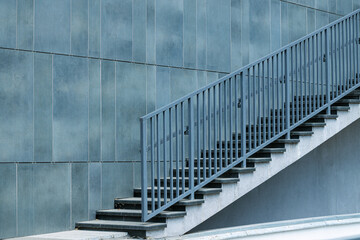
Stair railings are an important design element that provide sturdiness and security while contributing to the overall architectural style of your space. Iron stair railings are a distinctive feature in both traditional and contemporary spaces.
Stainless steel, aluminum, and wrought iron are durable and offer an elegant, classic look. However, they require routine maintenance to avoid rust. Visit https://www.83metalcraftboise.com/ for more information.
Stainless Steel
Metal railings occupy an important safety role on staircases and balconies, but they also add visual interest. They can complement minimalist designs or create a traditional old-world aesthetic, and they are well-suited for homes with children or elderly residents. Stainless steel is the most durable of these metal options, and it offers the highest level of strength and corrosion resistance.
Unlike iron or aluminum, stainless steel does not rust, and it resists corrosion even in humid or coastal environments. Stainless steel is also light, strong, and easily shaped, making it an excellent choice for stairs that need to withstand frequent use or heavy weight. Stainless steel is more expensive than other metals upfront, but its durability and low maintenance costs reduce the long-term cost of ownership.
The chromium in stainless steel forms an invisible passive layer at the surface, and this enables the metal to resist corrosion. The thickness of this layer varies by alloy, with grades like 304 and 316 providing the best combination of strength and resistance to corrosion in varied climates.
Inline Design and Artec explain that a passivation treatment — in which a solution based on nitric or citric acid is applied to the surface of the steel for 20 to 30 minutes, followed by thorough rinsing and drying — can dramatically improve corrosion resistance. This process is advisable every one to two years in mild climates, but it may be necessary more frequently in salty or industrial environments.
Stainless steel works well in all environments, and it offers design flexibility for a variety of styles. Demose and Kavi Fencing point out that the metal’s sleek, linear appearance fits with modern architectural themes. However, they also note that stainless railings can be curved or ornamented to match more classical architectural themes and styles.
Stainless steel’s versatility rewards careful planning. By matching the grade, mounting method, and infill to each environment, homeowners can design a cohesive system that looks good in the living room, holds up on the deck in winter, and meets building codes and Occupational Safety and Health standards for stairs and balconies.
Aluminum
A popular choice for commercial designs, aluminum railings are strong, durable, and easy to install. They’re available in a wide variety of styles and colors, so you can choose the perfect finish to match your space. They’re also modular, making it easier to add or replace components as needed. This helps speed up installation and reduce the risk of errors during on-site welding. They’re also compatible with other materials, such as glass and steel, so they can easily fit into complex architectural designs.
Aluminum is a great option for high-rises, as it’s lightweight and can be installed in tight spaces. It’s also resistant to rust and corrosion, so you don’t have to worry about stains or damage from harsh weather conditions. This makes it a safe and durable choice for outdoor staircases, as well as indoor spaces with glass walls.
The key advantage of aluminum is that it’s not as expensive as other metals. It’s also much lighter than steel, making it more convenient to handle and install. It’s also easier to maintain, as it doesn’t require regular painting or upkeep like wrought iron or wood. In fact, aluminum can last for years without any maintenance at all, saving you money in the long run.
Wrought iron has its own advantages, but it’s typically more expensive upfront than aluminum. It’s also more prone to rust if not properly maintained, so it requires a lot of upkeep and maintenance to keep it looking good.
If you’re looking for a high-quality, cost-effective metal railing for your architectural stairs, consider American Railworks, which provides custom solutions to clients throughout Bellevue and the greater Seattle area. Their in-house fabrication process ensures rigorous quality control, and they adhere to local codes and regulations. Their services include measuring, designing, and installing railings that are safe and code compliant. They offer a variety of options, including handrails, guardrails, and horizontal railings. Their designs are clean and modern, ensuring safety while enhancing the aesthetic of your architecture. They also provide a free consultation to help you determine which option is best for your space.
Wrought Iron
Stair railings are a design feature that not only provides safety, but also enhances the aesthetic and craftsmanship of any staircase. From traditional, elegant wood to the sleek lines of stainless steel, there are many styles and materials that create a stunning, safe railing that will last for years and impress visitors. Choosing the right stair railing material and style is essential to ensure safety, especially in homes with children or in public spaces. The best stair railing design should be functional, attractive and easy to maintain.
Wrought iron is a beautiful and durable material that can add a touch of elegance to any staircase. It can be forged into intricate, fanciful designs to create a classic look or welded into simple, clean lines for a modern touch. Wrought iron stair railings are a versatile addition to any home or business, and they’re also ideal for renovations of historic properties.
An outdoor wrought iron railing can be a lovely way to tie together rustic and contemporary elements in your home, garden or commercial project. It pairs well with natural wood, and it can be decorated with nature-inspired motifs to complement exposed wooden beams or other rustic architectural elements. Wrought iron can also be painted with weathered finishes to bring a timeless, old-world charm to modern landscaping projects and new construction.
When selecting a wrought iron stair railing for your project, make sure that you select the highest quality possible. Low-quality metal can rust, and it won’t hold up to the wear and tear of daily use. A good-quality wrought iron stair railing will be made from galvanized metal, and it will have a protective coating to prevent corrosion in humid or rainy regions.
Another important factor to consider is how the stair railing will be attached to the balusters. Some stair railings have integrated handrails that sit within the groove of the balusters, while others are separated by a space and mounted to the top of newel posts. Integrated handrails are not recommended in homes with children, and they may not meet local building codes that require separate guardrail-mounted handrails.
Wood
Stair railings, also known as balustrades, protect us from the danger of falling down stairs. These handrails are an important safety feature that must meet building codes and standards, as well as offer a comfortable grip to prevent injuries. Stair railings are also an architectural element that defines the aesthetic of a staircase or balcony. Choosing the right style and material is essential for meeting both safety standards and design goals. Metal railings provide the perfect balance of strength and style, adapting to a variety of architectural designs while providing unmatched durability.
Unlike wood, metal doesn’t show dents or scratches from heavy use. Iron and steel rails don’t warp in humid climates, and aluminum stands up to salt air on the coast. In addition, they don’t splinter or develop termite damage like wood. In contrast, wood stains easily, requires frequent sanding and staining for upkeep, and can become brittle with age.
The cost of wrought iron is higher than other metal options, but it is worth the investment for its long-term durability and beauty. It is a classic look that suits both traditional and modern architecture, adapting to a range of color palettes with paint or powder coatings. Wrought iron railings can be etched or carved for added detail, and they can be accented with glass, stone, or other materials to enhance the visual appeal of a staircase or balcony.
Aside from their durability and aesthetic, metal railings are budget friendly compared to wood in the long run. A simple oak rail costs twenty to thirty dollars per linear foot for materials, and labor rates at fifty dollars per hour for cutting and welding. Once you add the cost of water damage repairs, sanding, staining, extra labor hours and future upkeep, metal can outperform wood in price over a ten to twenty-year span.
Stainless steel is the most popular choice for modern staircases. Its sleek lines and metallic finish suit contemporary design, and its durable construction is ideal for high-traffic or elevated environments. Stainless steel is low maintenance, and a periodic wipe-down with mild soap keeps it looking new. It resists corrosion in humid or coastal environments, and it can be accented with protective coatings for added protection.